
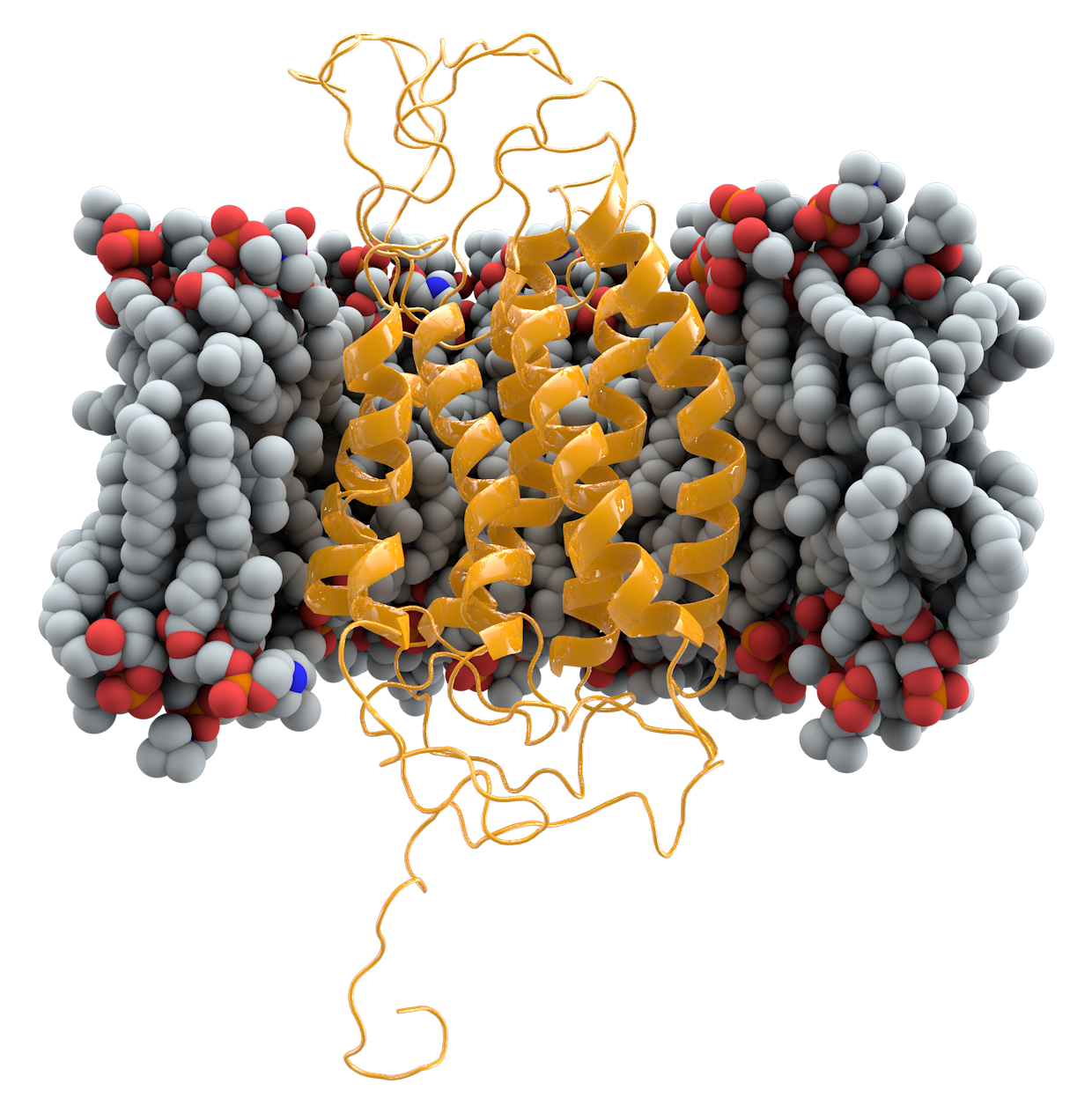
Cyclization can constrain peptide conformation and reshape stability, target engagement and permeability, but its effects depend on ring architecture rather than the label alone.
Cyclization changes the accessible ensemble
Head-to-tail, side-chain and disulfide-based closures reduce some conformational freedom and may pre-organize a binding geometry. The same constraint can also reduce activity if it locks the sequence away from the target-compatible state.
Permeability is a systems property
Ring size, backbone hydrogen bonding, N-methylation, polarity distribution and conformational switching can all influence membrane passage. No single descriptor guarantees permeability, so matched analog series are more informative than isolated examples.
Analytical implications
Cyclization requires direct evidence that the intended connectivity formed. Mass alone may not distinguish topology or positional isomers; chromatographic behavior, fragmentation and structure-sensitive methods strengthen the assignment.